Won't You Be My Neighbor?
Remember the opening to Mister Rogers' Neighborhood? "It's a beautiful day in the neighborhood... won't you be my neighbor?" It's a simple, welcoming question. But in Luke 10, when an expert in the law asks Jesus almost the same thing — "Who is my neighbor?" — he isn't being warm. He's looking for a boundary. He wants to know exactly how little he can do and still be in the clear. Who am I responsible for? Who can I pass by without feeling guilty?
Jesus doesn't hand him a list. He gives him a road.
The question isn't "Who qualifies as my neighbor?" It's "What kind of person will I become?"
First, Understand the Road
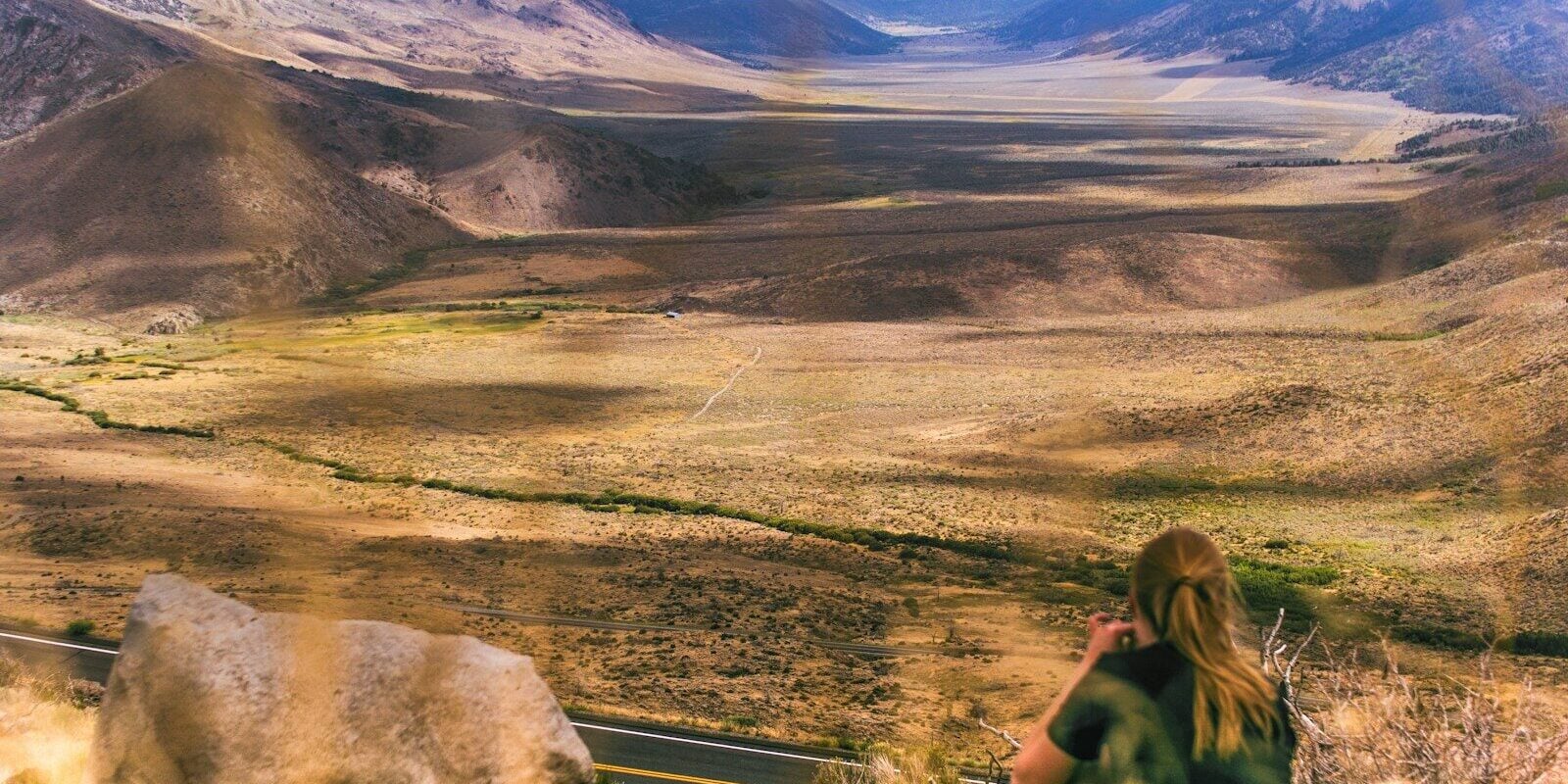
You can't really understand the Good Samaritan until you understand the road he was on. The way from Jerusalem down to Jericho dropped over 3,000 feet through rocky wilderness — sharp turns, deep ravines, caves where robbers could hide and vanish. It was dangerous by design.
Here's why that matters: the wounded man wasn't attacked because he did something wrong. He chose a legitimate destination, followed the established route, carried what he needed — and still met violence, because the conditions of the road made him vulnerable. Sometimes people don't fail to reach their destination for lack of desire or discipline. Sometimes the road itself is working against them. And sometimes, in a broken world, evil visits our doorstep even when we never invited it in. In those moments, all we can do is trust that God is still with us on the road.
Don't Just See — Stop
"A priest happened to be going down the same road, and when he saw the man, he passed by on the other side." — Luke 10:31 (NIV)
The priest saw him. The Levite saw him. Scripture doesn't tell us why they passed by — maybe fear, maybe busyness, maybe "someone better equipped will come along." But Jesus gives us the one fact that matters: they saw the man, and they didn't let what they saw interrupt them.
That's the quiet spiritual danger — seeing suffering without letting it rearrange our priorities. It's easy to grow so used to the injustice around us that we stop letting it move us, telling ourselves the problem's too big or it's someone else's job. The priest and Levite didn't cause the man's wounds. But once they saw him, they had to decide whether his condition actually concerned them. So do we.

Use What's Already in Your Hands
"But a Samaritan, as he traveled, came where the man was; and when he saw him, he took pity on him." — Luke 10:33 (NIV)
The hero is the last person Jesus' audience expected — a Samaritan, an outsider separated from them by generations of hostility. And notice: his compassion didn't stay an emotion. It moved him. He bandaged the wounds, used his own oil and wine, put the man on his own donkey, paid the innkeeper, and promised to cover whatever else it cost. He reorganized his own journey so the wounded man could finish his.
And here's the striking part — the Samaritan didn't go find new resources. He already had the oil, the wine, the transportation, the money, the relationship with the innkeeper. He was already blessed to be a blessing; he just had to reorder his priorities to see it. Neighbor love asks a simple question: What has God already placed in my hands that could help someone else survive their road? You may not have everything a person needs. But you may have the oil. You may know the innkeeper. You may have exactly what gets them through one more night.
The Bigger Story
The expert's question — "Who is my neighbor?" — tries to draw a circle around who deserves our love. But Jesus flips it: "Which of these three was a neighbor to the man?" The point isn't to sort people into "my problem" and "not my problem." It's to become the kind of person who crosses the road. Neighbor love isn't a category to define; it's a calling to live.
And it's the same road Jesus walks with us. When we're the ones left wounded — robbed of our joy, our resources, our strength — the God who says "I will never leave you nor forsake you" does not pass by on the other side. He meets us right there. Then he sends us out to do the same: "Go and do likewise."
Share This With Someone This Week
You know someone who's exhausted from carrying everyone else, or someone stuck on a hard road who's started to believe they're walking it alone. This message is for them: God doesn't pass by, and neither should his people. Send it along as a reminder that they're seen. Sharing it is an act of love.
What Are You Going to Do About It?
Read Luke 10:25–37 slowly this week, picturing the road, not just the people. Then sit with two questions:
- Where have I been seeing a need without letting it interrupt me — telling myself it's too big or someone else's job?
- What has God already placed in my hands — a skill, a connection, an hour, a spare seat — that could help one person get further down their road?
Pick one person whose road is harder than yours, and this week do the one thing that's already in your hands.
About This Article
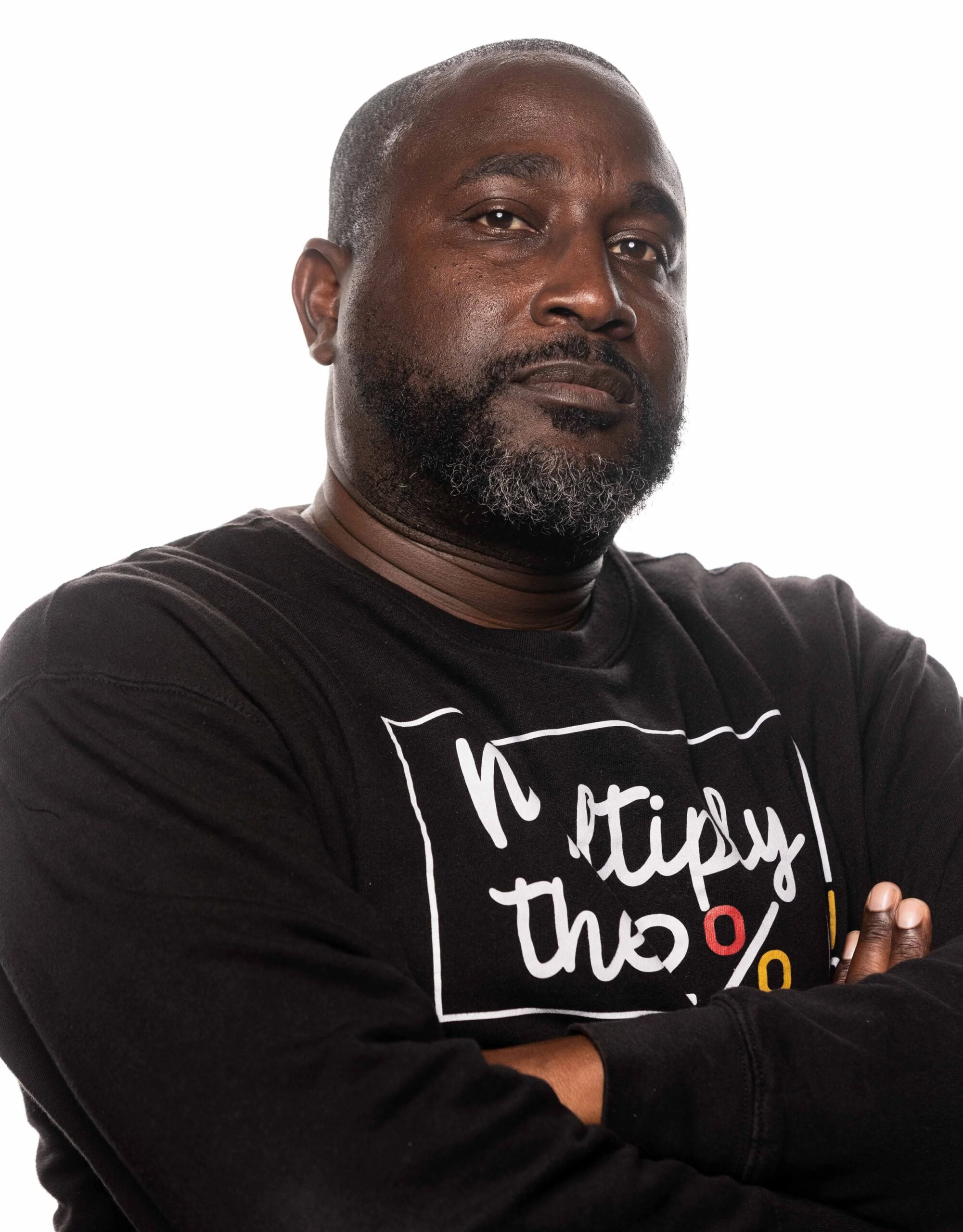
This message was brought by our guest speaker, Dr. Peter Watts(opens in new tab), who with his wife Dr. Dee Watts leads the Watts of Power Foundation, walking alongside aspiring teachers facing the barriers on their own "Jericho road." We're grateful to have him with the eRock family. Join us every Sunday at 9am and 11am.
Discover How You're Gifted
Not sure where you fit? The best way to find your gifts is to listen for God's voice and step into the opportunities in front of you. Start by taking our spiritual gifts assessment, expand your knowledge with our spiritual gifts course (Find Your Fit), then find a place to serve and jump in.